






What is a panic attack, really?
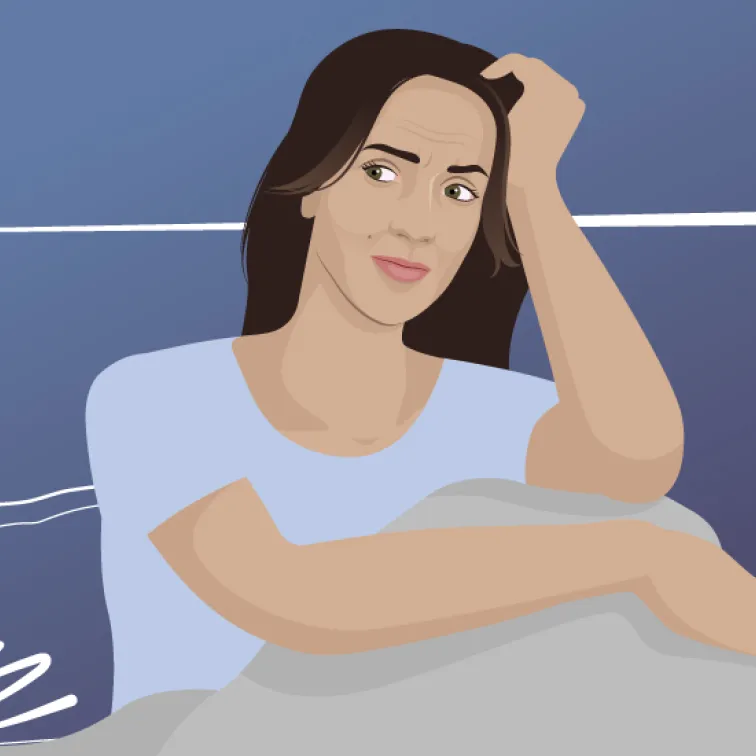
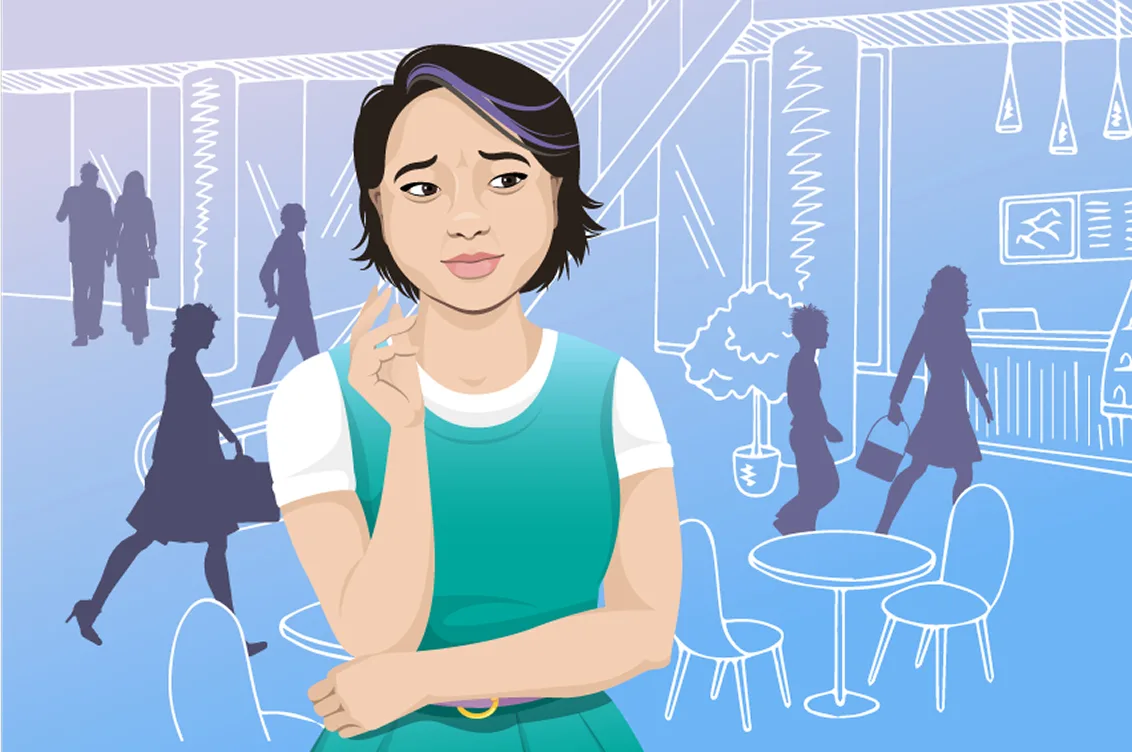
The term 'panic attack' describes a sudden surge of intense anxiety that peaks within minutes and then goes away – usually within an hour or so. The surge is caused by a hormone in our bodies called 'adrenaline,' which is released when the 'fight, flight, or freeze' response is triggered: a natural, automatic reaction that happens in our bodies when we feel stressed or in danger.
To understand panic, first we have to look at what exactly the 'fight, flight or freeze' response is. Let's look at an example: imagine you're surfing in the ocean on a sunny day. Everything is going well, until, out of the corner of your eye.. You spot a shark! Your heart starts racing, you feel hyper-alert, and you swim back to shore as quickly as you can. In this situation, your body has seen and identified a danger, activated your 'fight, flight or freeze' response, and pumped you full of adrenaline to give you the energy to escape to safety.
Even though panic attacks feel distressing in the moment, it's important to remember that they aren't dangerous or harmful. Anxiety and the 'fight, flight, or freeze' response won't hurt you, even if they feel intense, and that no one has ever died or "gone crazy" from a panic attack. Anxiety is also a normal, and even helpful emotion – remember the example of the shark at the beach? If dangerous situations didn't make us feel panicked, then we may not be able to quickly escape from them!
There are three important parts of the cycle of panic:
- The physical symptoms we experience – a racing heart, finding it hard to breathe, feeling dizzy, sweating, shakiness, and feeling sick
- The anxious thoughts about what might happen to us when we panic
- The behaviours we choose to do in response to having panic attacks.
The good news is that if we can shift the anxious thoughts about panic and the behaviors we do, we can disrupt the cycle of panic and get back to living our lives to the fullest.If you're looking to learn more about overcoming panic, we offer two free courses which use Cognitive Behavioural Therapy to tackle unhelpful thinking, fear of panic, and teach you how to overcome setbacks and keep moving forward. Sign up for free today at justathought.co.nz/panic
Featured stories
Read more stories
.png)
Healthy ways to respond to stress
While we can't always control what life throws our way, we can work on how we respond to stress.

Aotearoa's first free online treatment courses for substance harm now available
We've partnered with Te Whatu Ora (Health New Zealand) to launch three, free alcohol and drug support courses